An interactive workshop with Joe Houghton - November 7th 2024
Joe Houghton
Table of Contents
Summary
- This workshop explores the ethical use of generative AI for research in higher education.
- Key considerations for educators include data privacy, accessibility features, bias awareness, and collaborative capabilities.
- Recommended AI tools for research include Notion, Perplexity, NotebookLM, and Claude, each offering unique features for content generation and organization.
- AI-powered literature review tools like Elicit can streamline research processes while adhering to UDL principles.
- AI-based accessibility enhancements, such as Otter AI and Microsoft's Seeing AI, make research more inclusive and accessible.
- The workshop emphasizes the importance of ethical considerations and UDL principles when integrating AI into research practices.
Key Considerations for Educators Using AI in Research
Here are a few points to consider when using the current generation of AI tools to conduct research of any kind:
- Data Privacy and Ethics: Ensure the AI tools used do not compromise sensitive research data. Choose platforms that prioritise data protection and offer clear privacy policies.
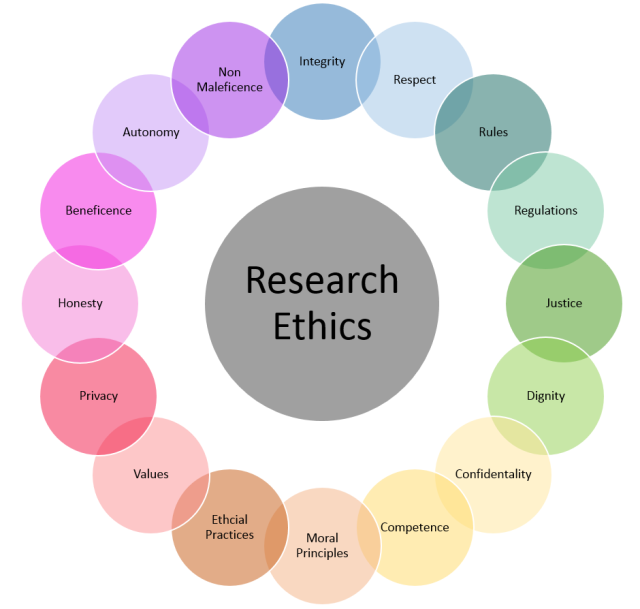
- Just because we are using AI doesn’t mean ethical principles change…

Accessed 3rd Nov 2024 from https://www.publichealthnotes.com/wp-content/uploads/2020/10/research-ethics-photo.png
- Accessibility Features: Select AI tools that align with UDL principles by offering multiple means of representation, engagement, and expression. Look for features like text-to-speech, image description, and customisable interfaces.
- Bias Awareness: Be mindful of potential biases in AI-generated content. Cross-reference information from multiple sources and encourage critical thinking among students.
- Collaborative Capabilities: Prioritise AI tools that facilitate collaboration, allowing diverse learners to contribute effectively to research projects.
- Customisation for Diverse Needs: Choose AI platforms that can be tailored to accommodate various learning styles and abilities, supporting the core tenets of UDL.
- Continuous Learning: Stay updated on AI advancements and their implications for accessibility and inclusive education. Regularly reassess and update your toolkit.